Success Story
About the Client

The American Embassy School (AES) is a leading international school based in India, serving a globally diverse student body with a strong presence of US expatriate families. The institution operates a large campus and follows a US-based curriculum, offering IB and AP programs. With a sizable workforce comprising both US and Indian employees, AES manages a complex administrative structure with cross-border operational and compliance requirements.
Country:
India
Industry:
Education
Business Situation
When AES approached us, the problem was framed as a need for a centralized payroll system. However, a deeper analysis revealed that this was not a standard payroll implementation challenge; it was a cross-border payroll complexity problem.
AES operated with a workforce split across geographies, requiring payroll processing in both USD and INR. Each segment came with its own compensation structures, tax regulations, and reporting standards. The existing system lacked the flexibility to handle multiple paysets while ensuring compliance with both Indian and US laws. This led to three critical gaps:
Fragmented Payroll Operations: Payroll processes were not unified. Managing multiple currencies and pay structures required manual intervention and parallel workflows, increasing operational overhead.
Compliance Complexity Across Jurisdictions: AES needed to generate statutory reports aligned with both Indian regulations (Form 16, TDS) and US requirements (W-2, FICA, 401(k)). The existing system did not support automated compliance for both regions.
Heavy Dependence on Technical Teams: Any updates to pay structures, tax rules, or compensation elements require developer intervention, slowing HR operations and limiting agility.
The Solution
To address this, AES required a system that could unify payroll operations while handling multi-currency complexity and regulatory compliance at scale.
Key requirements were:
- Build a payroll platform supporting dual-currency processing (USD and INR)
- Enable multi-payset and complex pay element configurations
- Automate Indian and US tax reporting workflows
- Provide an admin interface for HR-led configuration without developer dependency
- Design a scalable architecture adaptable to policy and organizational changes
- Implement audit trails and access controls for compliance and transparency
Unthinkable approached this as a payroll infrastructure problem, not just a payroll software build. The objective was to design a system that could handle multi-currency payroll, regulatory compliance, and configurable pay structures, while reducing operational dependency on engineering teams.
We built the platform as a modular system comprising a payroll engine, tax computation layer, and an admin-controlled configuration interface.
Building a Dual-Currency Payroll Engine
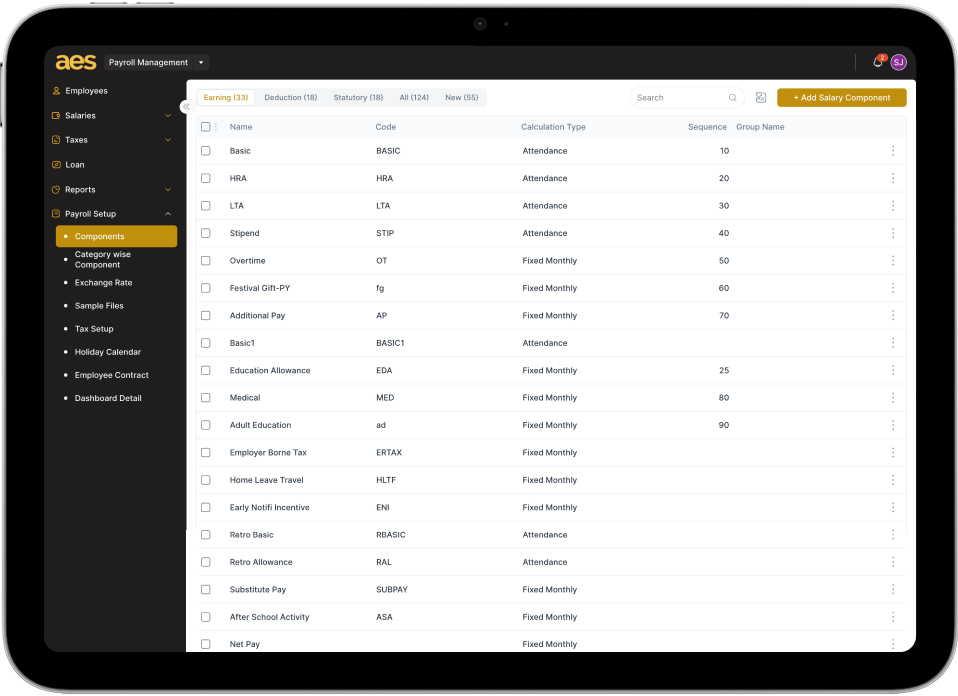
We designed a payroll engine capable of processing salaries across USD and INR, supporting region-specific compensation structures, deductions, and benefits. This eliminated the need for parallel systems and ensured consistency across global payroll operations.
Designing a Configurable Payset Architecture
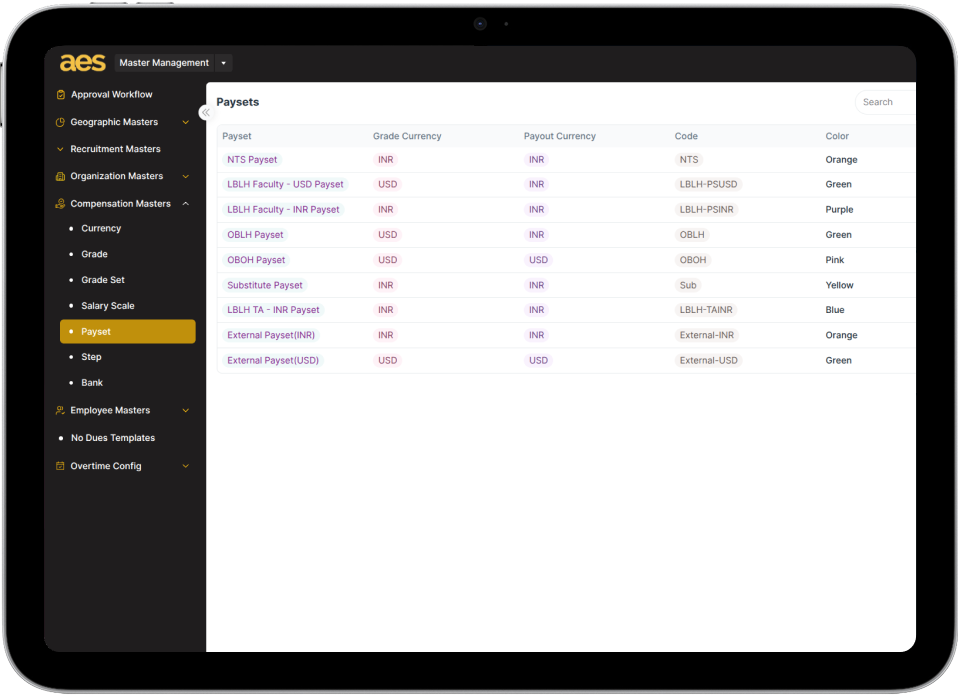
To handle diverse compensation models, we implemented a flexible payset and pay element configuration system. HR teams could define salary structures, allowances, bonuses, and deductions through a no-code interface, removing reliance on developers for routine changes.
Implementing a Cross-Border Tax Compliance Layer
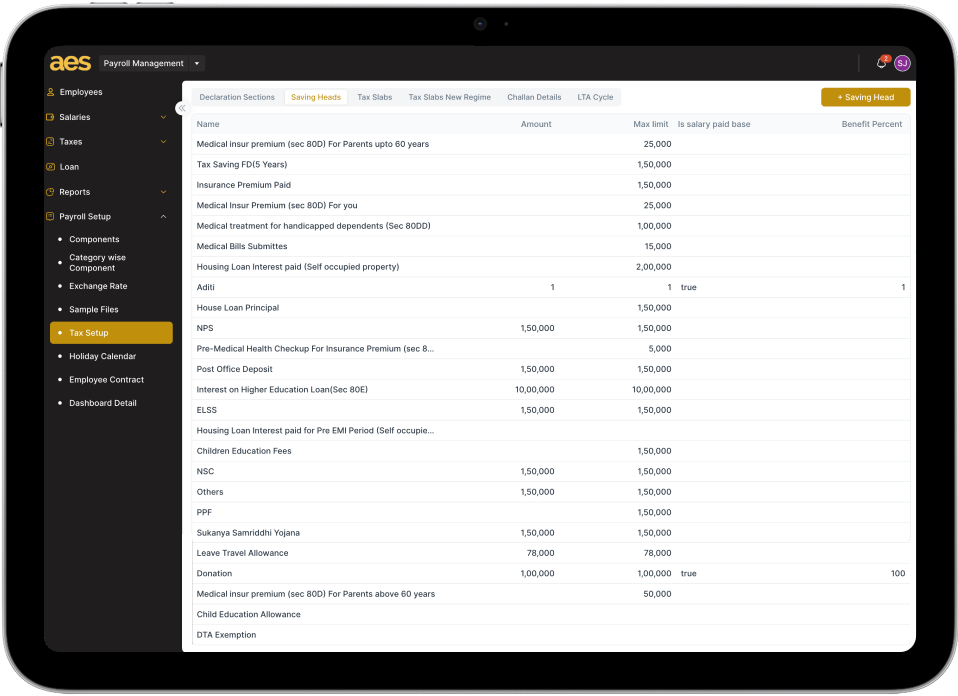
Compliance was a central requirement. We built a customizable tax engine that automated the generation of:
1. Indian statutory reports (Form 16, TDS)
2. US tax documents (W-2, FICA, 401(k))
The system also supported custom reporting templates for internal audits and financial workflows, reducing compliance risks and manual effort.
Developing an Admin-First Control System
To reduce operational bottlenecks, we created a dedicated admin portal that enabled HR teams to:
1. Configure pay rules and structures
2. Manage paysets and currency preferences
3. Generate reports independently
This shifted control from engineering teams to business users, significantly improving agility.
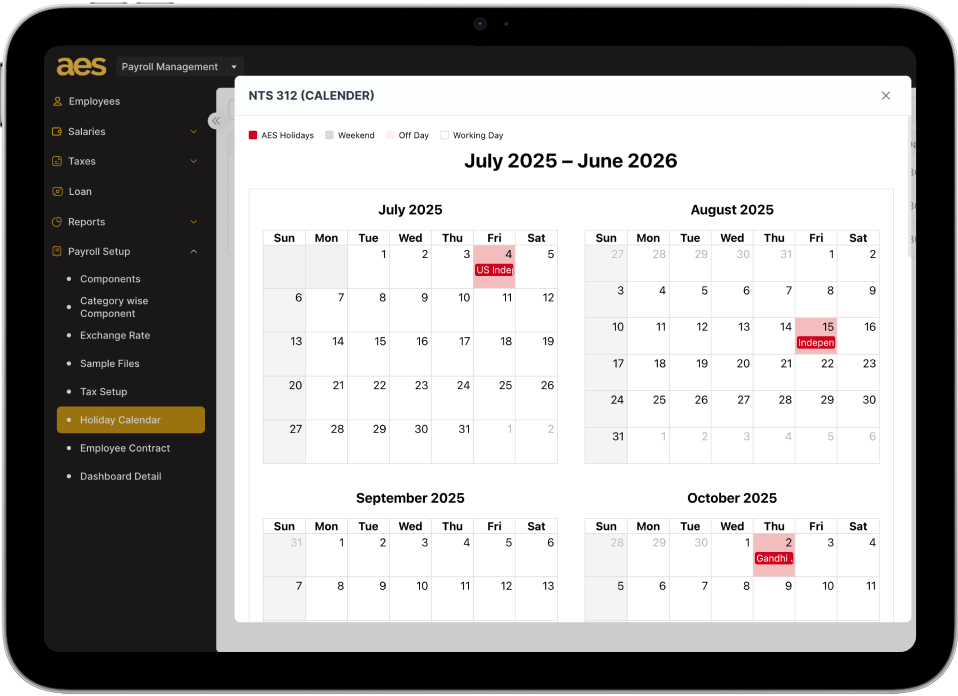
Designing a Fallback Integration to Mitigate Third-Party Dependency Risk
A key challenge was dependency on a third-party system (HR1) for employee data.
Due to delays in API availability, we implemented a fallback mechanism using static data integration. This ensured uninterrupted payroll processing while preparing for full API integration, preventing project delays.
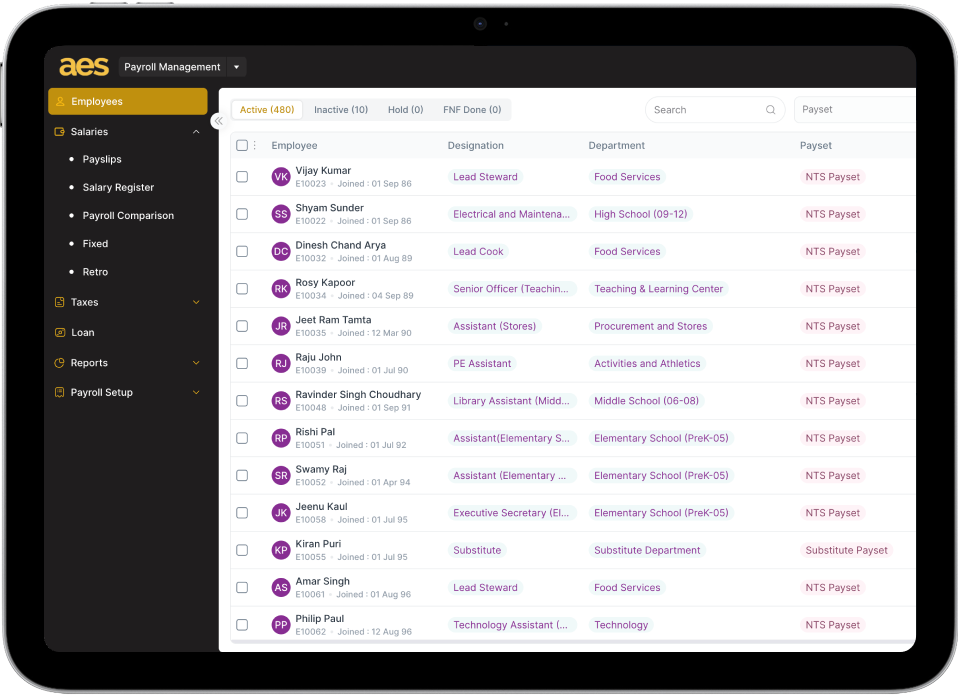
Enhancing Payroll Operations with Automation
We introduced additional modules to streamline workflows:
- Loan Management Module for EMI tracking and automated deductions
- Automated Bank Letter Generation for salary disbursement documentation
- Historical Salary Comparison for audit and validation purposes
These features reduced manual work and improved transparency across payroll cycles.
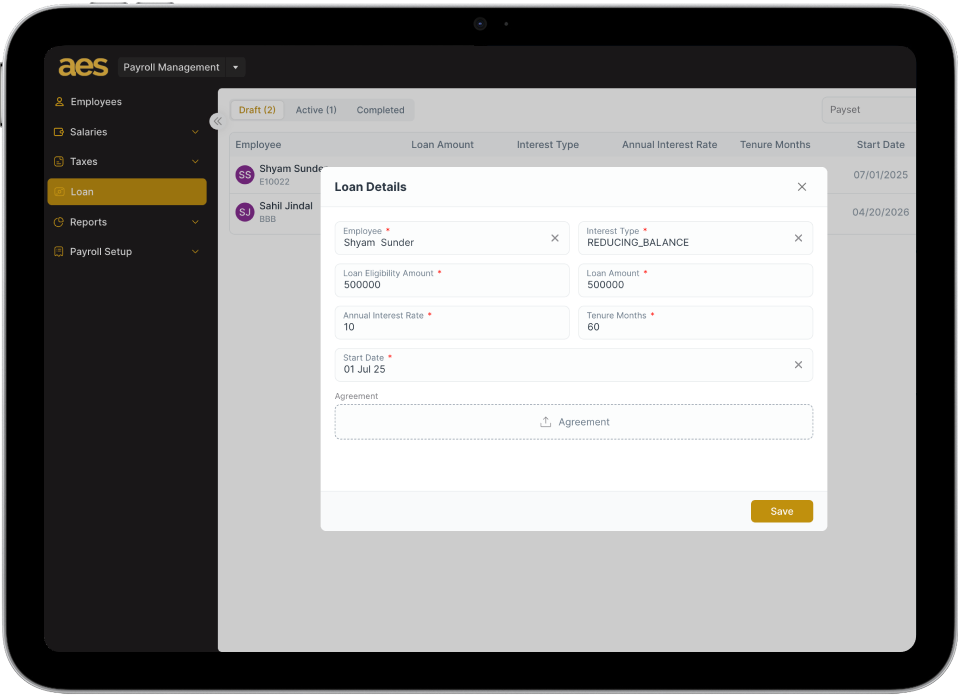
The Impact
The platform transformed payroll operations at AES by introducing automation, compliance, and operational control. Payroll processing time was reduced by over 65%, significantly lowering manual effort and error rates. The system eliminated reliance on third-party tools for tax reporting while ensuring accurate compliance with both Indian and US regulations.
HR teams gained full control over payroll configurations through a self-service interface, reducing dependency on engineering teams and improving responsiveness to organizational changes. The flexible architecture enabled AES to scale payroll operations without requiring system redesign, supporting future growth across geographies and workforce structures.
Additionally, real-time reporting and dashboards provided leadership with greater visibility into payroll data, enabling faster, more informed decision-making.