

Business Situation
Although more than 10,000 rare diseases are known today, most physicians receive training on only a small subset of them. As a result, patients often spend years navigating fragmented care pathways, repeatedly explaining their condition to different providers.
Rare disease intake adds another layer of complexity. Long before a patient meets a genetic counselor or clinical geneticist, extensive preparation work takes place behind the scenes. This work is largely manual, repetitive, and difficult to scale.
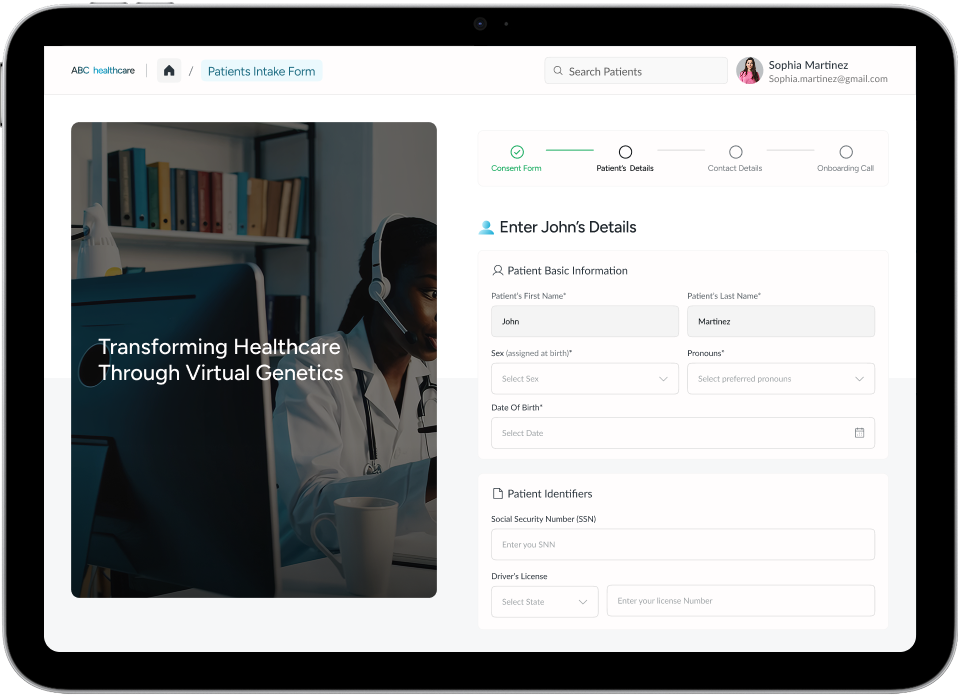
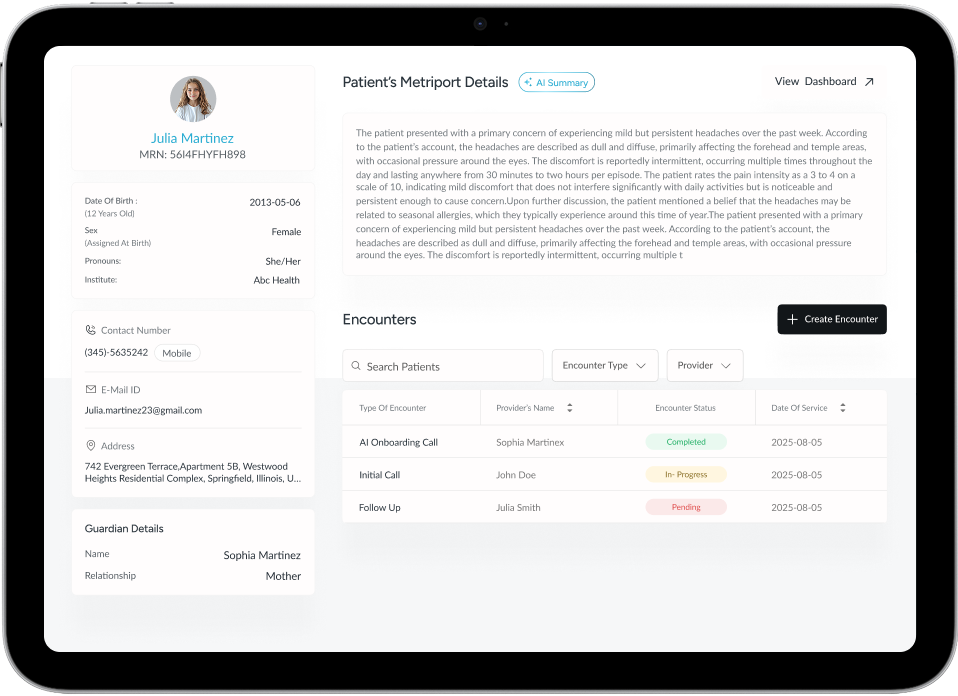
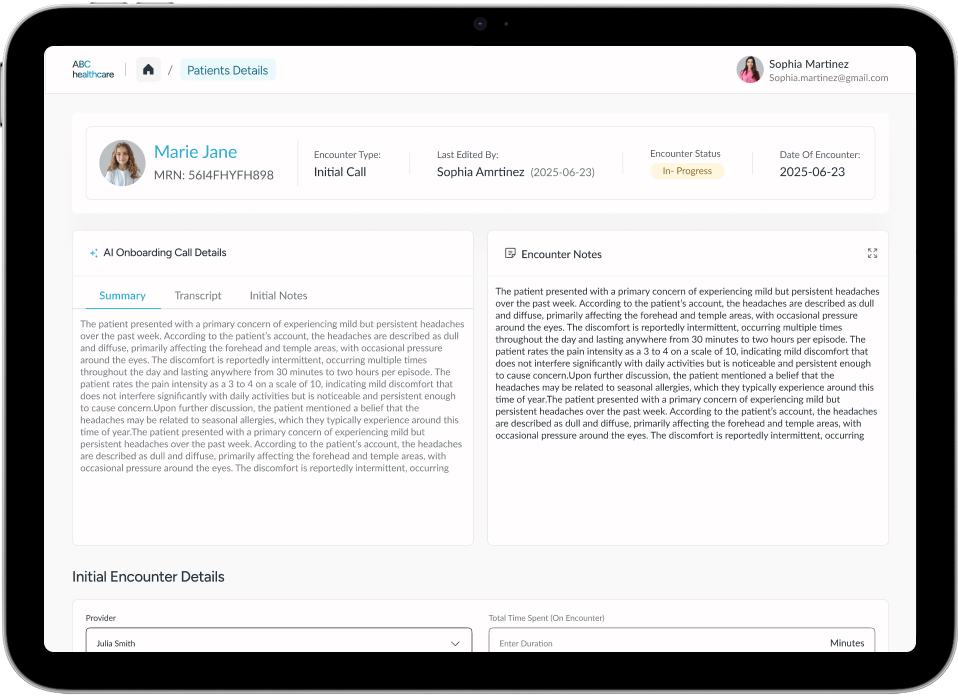
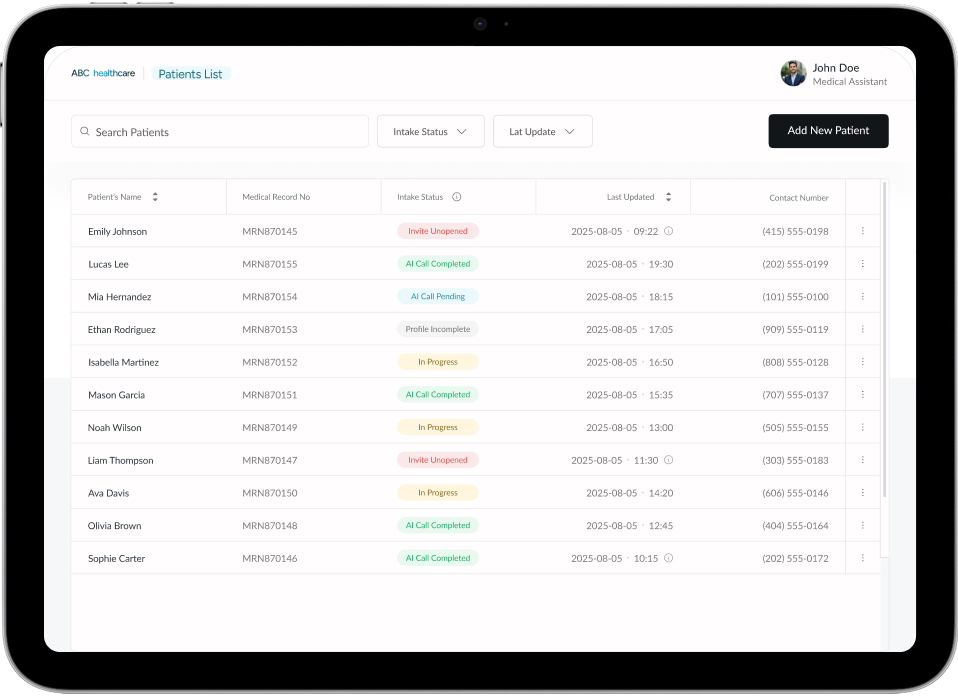
Medical assistants and clinicians typically spend close to an hour per patient compiling medical histories, gathering records from multiple systems, printing pedigrees, and resolving missing information. These activities occurred before the clinical visit and did not scale with increasing patient volume. Consequently, new patients often waited two to three months for an initial appointment, while managing multiple portals, forms, calls, and follow-ups.
Existing health record systems effectively support billing and core operations, but genetics-specific workflows, longitudinal family histories, and rare disease narratives remain poorly supported. Phase one of the project focused on integrating with multiple healthcare systems while preserving existing billing and record workflows. The primary objective was to remove intake and pre-test evaluation bottlenecks without disrupting established clinical operations.
The client outlined the following key requirements:
Design and develop the entire platform from the ground up, beginning with a focused minimum viable product
Automate more than 80% of the pre-test intake and evaluation workflow to reduce manual effort
Introduce AI-driven patient intake while maintaining clinical trust, accuracy, and regulatory compliance
Enable deep integration with health information exchanges (HIEs) and partner record systems using FHIR standards
Ensure full compliance, audit readiness, and data traceability from day one
Deliver the first phase within a strict, fixed timeline, with future phases already planned