

Business Situation and Requirements
As technology-driven ride-hailing services are reshaping the taxi industry, customer expectations continue to rise. Operators must handle large volumes of ride requests, manage dynamic pricing, and match drivers with passengers in real time, while also keeping the fares affordable and operations profitable. To remain competitive in this digitizing market, platforms also need scalable systems that can support rapid growth, peak demand, and continuous feature expansion.
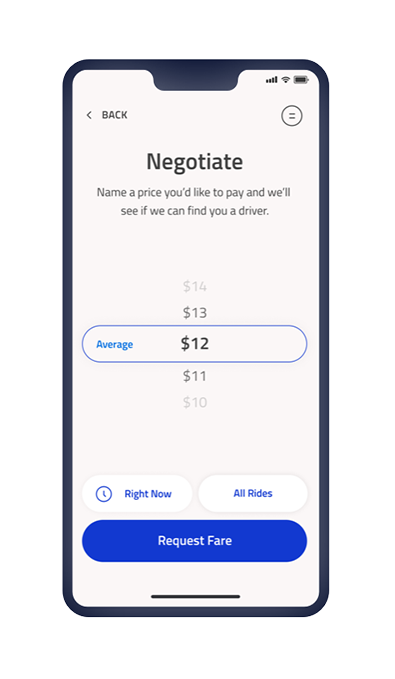
While Wapanda’s app was built around the familiar concept of on demand transportation, its true differentiator was the fare bidding model. Wapanda set out to move beyond fixed pricing by giving riders the ability to propose their own fares, while enabling drivers to counter bid in real time. This two way negotiation created a transparent pricing experience, ensuring both riders and drivers reached a mutually satisfying ride price.
To make their aim stand out better, their key requirements included:
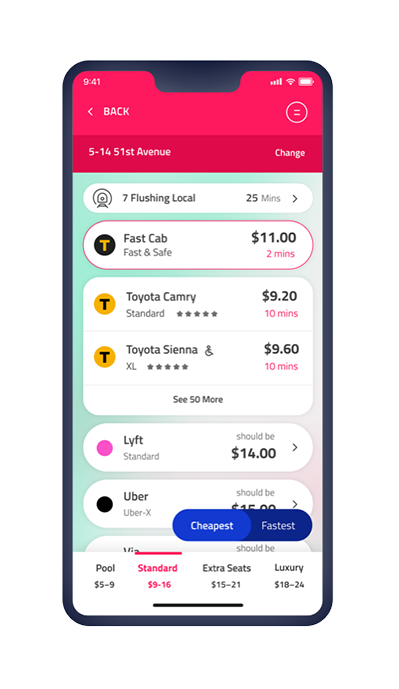
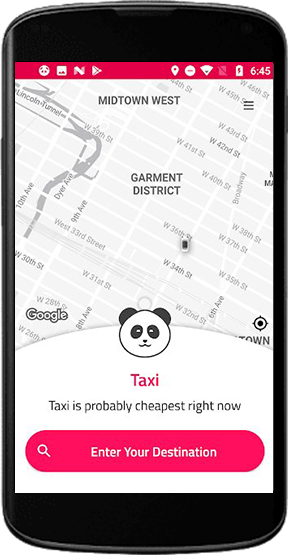
Passenger App for Smart Decisions: Locate nearby drivers, compare fares across Uber, Lyft, taxis, and public transit, and choose the most convenient or cost effective ride.
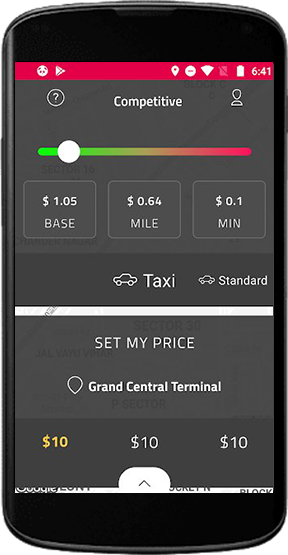
Driver App for Full Control: View ride demand, set fares, counter bid, accept requests, and manage trips efficiently.
Custom Algorithms for Fare & Bid Optimization: Dynamically calculate fares based on location, destination, time, passengers, and minimum thresholds.
Real-Time Counterbidding: Ensures fair pricing for both drivers and passengers.
Scalable & Robust Architecture: Handles expansion, high volumes, and real time interactions.
High Availability & Future Integration: Supports peak loads and seamless feature updates.