

Sep 04, 2025
Technology should enable growth, not limit it. Yet in the D2C world, we’re increasingly seeing platforms become the ceiling that stops brands from scaling. This isn’t just about outgrowing your tech stack – it’s about recognizing when your foundation needs to evolve.
The Breaking Point
Every growing D2C brand reaches this moment. Sales are climbing, marketing is firing on all cylinders, and customer acquisition is strong. Then it happens – your platform starts showing cracks. For some brands, it’s during Black Friday when their site slows to a crawl. For others, it’s when inventory sync delays start causing oversells. The symptoms vary, but the diagnosis is the same: platform limitations are actively constraining growth.
Platform Realities
Shopify Plus has revolutionized D2C commerce apps, making it possible for brands to launch and scale rapidly. It’s an excellent platform that handles most needs beautifully. However, as your brand evolves, you’ll encounter some hard truths about its limitations.
Real-time inventory management becomes increasingly complex as you scale. What started as simple stock tracking turns into a delicate dance of API calls and sync delays. Custom checkout requirements that seemed straightforward in planning become exercises in creative workarounds.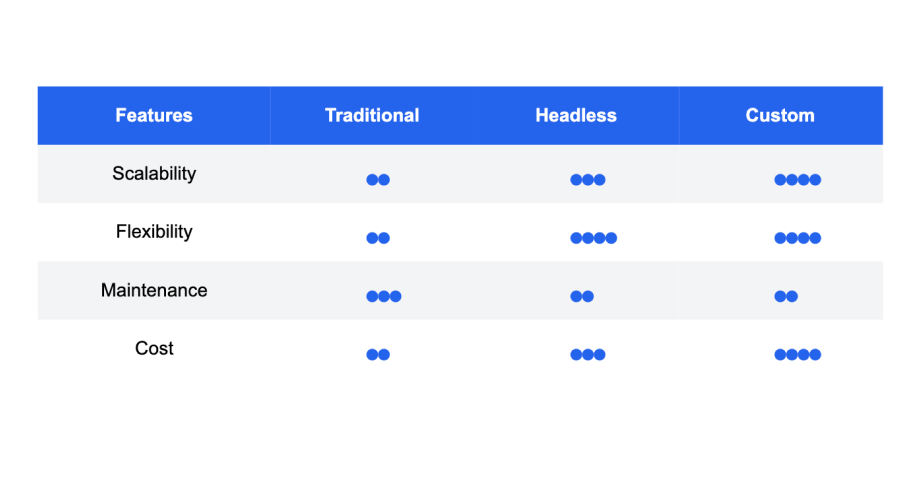 The headless commerce approach promises flexibility and scalability. While it delivers on many fronts, it brings its own set of challenges. The freedom to customize everything means you’re responsible for maintaining everything. This trade-off isn’t always obvious until you’re deep into implementation.
Understanding Your Growth Stage
Growing D2C brands typically evolve through distinct stages, each with its own technical requirements. The key is recognizing which stage you’re in and what’s coming next.
- Early Stage: Platform limitations aren’t your biggest concern. Focus on product-market fit and customer acquisition. Your existing platform probably has plenty of runway.
- Growth Stage: This is where things get interesting. You’re hitting the first real platform limitations, but they’re manageable with proper optimization. The question isn’t if you need to evolve, but when.
- Scale Stage: Platform limitations are actively holding back growth. Every new feature or market expansion becomes a technical challenge. This is when fundamental platform decisions become critical.
Signs You’re Outgrowing Your Platform
The warning signs aren’t always obvious. While slow page loads and checkout issues are clear red flags, other indicators are more subtle. Your marketing team starts limiting promotional creativity because they’re worried about site performance. Customer service increasingly deals with inventory-related issues. Development timelines stretch longer as workarounds become more complex.
Strategic Options
The path forward isn’t always a complete platform overhaul. Many brands find success with a hybrid approach, gradually evolving their architecture while maintaining business continuity.
Platform Optimization: Sometimes, what looks like a platform limitation is actually an implementation issue. Proper optimization can extend your platform’s runway significantly. This approach works well when your core business requirements align with your platform’s strengths.
Key Consideration: The cost of optimization vs. the cost of limitation
Hybrid Architecture: This approach maintains your existing platform while custom-building specific components that need more flexibility. It’s like renovating your house one room at a time – you get improvements without moving out.
Complete Evolution: When platform limitations fundamentally restrict your business model, a complete evolution might be necessary. This isn’t just about technical capability – it’s about creating a foundation that supports your long-term vision.
Making the Right Choice
The decision to evolve your platform shouldn’t be purely technical. Consider your:
- Growth trajectory and market expansion plans
- Operational complexity and scaling needs
- Resource availability and technical capabilities
- Business model evolution and future requirements
The Path Forward
At Unthinkable, we’ve guided numerous D2C brands through these transitions. The key is understanding that platform evolution isn’t just a technical challenge – it’s a business transformation initiative.
We help brands navigate this journey, ensuring their technical foundation enables growth rather than constraining it. Our approach focuses on sustainable solutions that align with both immediate needs and long-term vision.
Conclusion
Your platform should enable growth, not limit it. The right technical strategy can be the difference between hitting a wall and breaking through to your next phase.
About Author