

Business Situation and Requirements
Companies modernize legacy applications to improve performance, reduce maintenance costs, enhance security, ensure compliance, and enable seamless data migration and modern UI/UX. Modern systems also support AI and analytics, improve integration with new tools, and increase business agility to respond quickly to market changes and evolving customer expectations.
Our client had a proprietary CRM platform that helped global luxury brands boost sales, marketing, and customer loyalty. The system managed customer, product, and sales data while generating business reports and could be tailored to each client’s needs. As customer behaviors evolved and the user base grew, modernizing the CRM became crucial to improve performance, scalability, and revenue while turning new customers into long-term loyal clients.
The client’s key requirements included:
Upgrading Core Technology Stack: Evolve the CRM platform’s underlying technology to make it more robust, scalable, and adaptable to the constantly changing business requirements of customers.
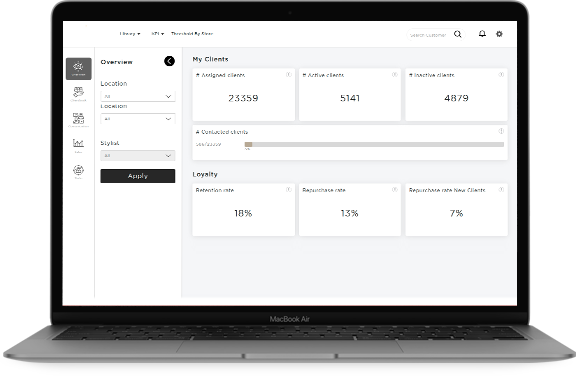
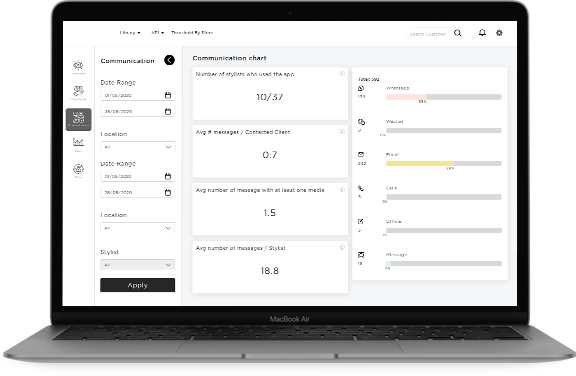
Enhancing Relationship Management: Incorporate tools and features to improve internal transparency, allocate resources using data-driven insights, and track the progress of initiatives through traditional and customer-focused KPIs.
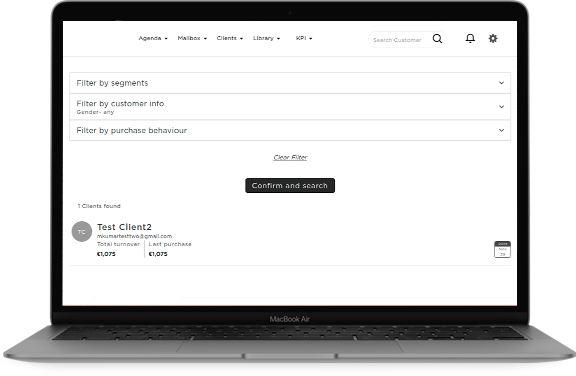
Modernizing User Interface: Implement a modern, intuitive UI to improve user adaptability and enhance the overall user experience across the platform.
Developing Product Suites: Build three distinct product suites catering to different stages of retail management: acquisition, clienteling, and productivity.
Migration of data: Seamlessly migrate over 2TB of customer data, including product images, information, metadata, and organizational details, into the new CRM while ensuring data integrity and minimizing downtime.