6 Best Practices to Build Token-Efficient Multi-Agent Systems
6 Best Practices to Build Token-Efficient Multi-Agent Systems Building an AI application that works well in a test environment is one thing. Keeping it affordable when hundreds or thousands of users start using it is another. The difference becomes even more important when you move from a single AI assistant to a multi-agent system. A […]

Agent Harness: The Missing Layer for AI Agents
In early 2026, LangChain ran an experiment that settled a debate the AI industry had been having for months. They took their coding agent, left the underlying model completely untouched, and changed the tools, context rules, verification loops, and system prompts. The result was that their score on Terminal Bench 2.0 jumped from the 30th […]
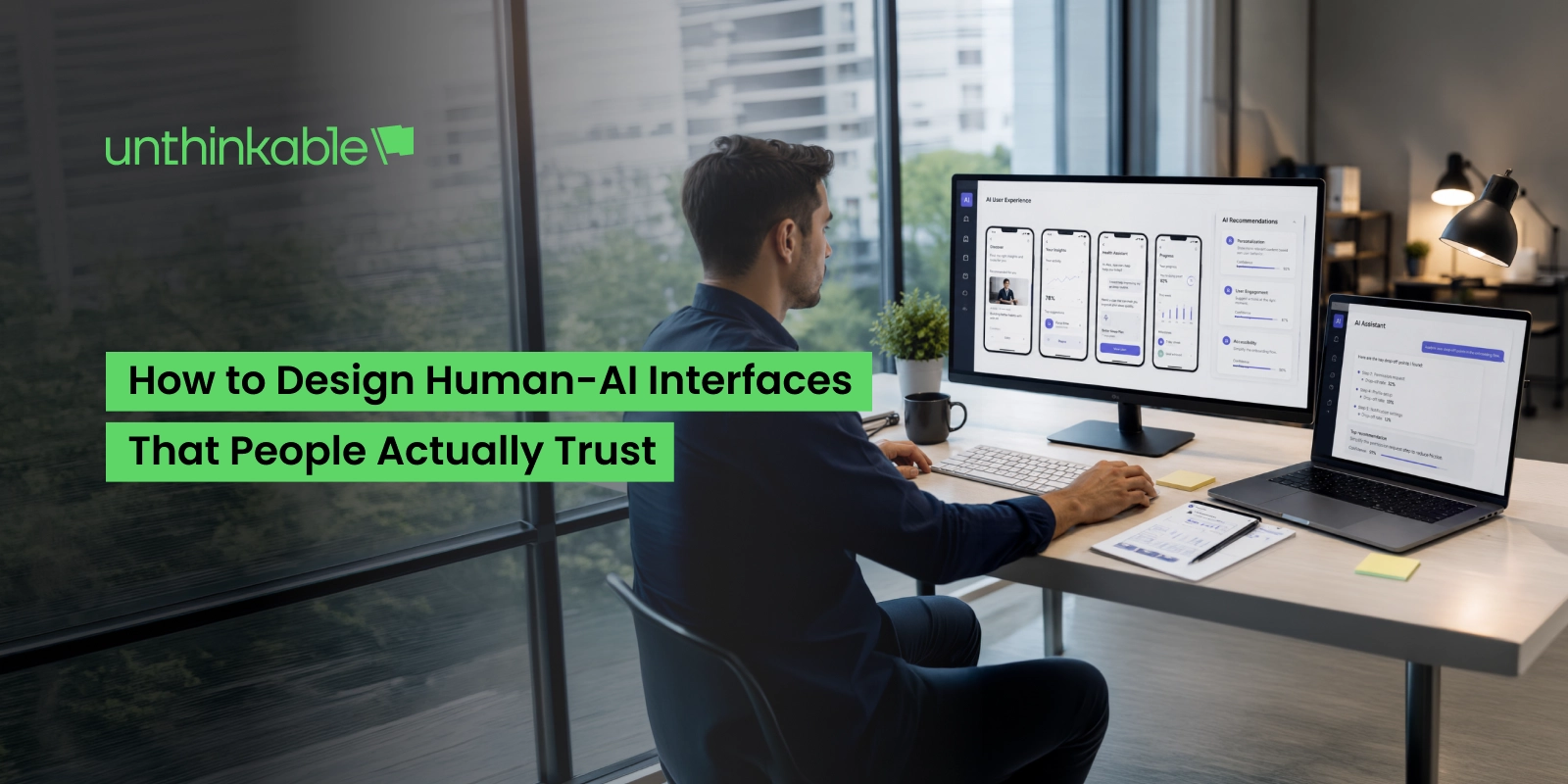
How to Design Human-AI Interfaces That People Actually Trust
How to Design Human-AI Interfaces That People Actually Trust Introduction to Human-AI Interfaces AI solutions keep getting smarter. But their interfaces? Not so much. The gap between what AI models can do and what users actually understand about them grows wider every quarter. And that gap costs real money, in abandoned products, lost trust, […]
Top AI Trends in 2026: What’s Actually Shipping
Top AI Trends in 2026: What’s Actually Shipping TLDR; AI in 2026 has to earn its spot on the roadmap. If it doesn’t save time, cut mistakes, or bring in money, it gets cut. Agentic AI is the big shift. Systems now plan steps, use tools, and finish tasks instead of just answering questions. The […]

The Hidden Cost of Forcing Your Business Into an Off-the-Shelf HRMS
Introduction A 400-person retail company implements a leading HRMS. The first six months look good: attendance tracked, leave digitized, and payroll cleaner. Leadership calls it a success. Eighteen months later, there are three parallel Excel sheets, WhatsApp approval chains, and an HR team that spends more time managing the software than managing people. The HRMS […]